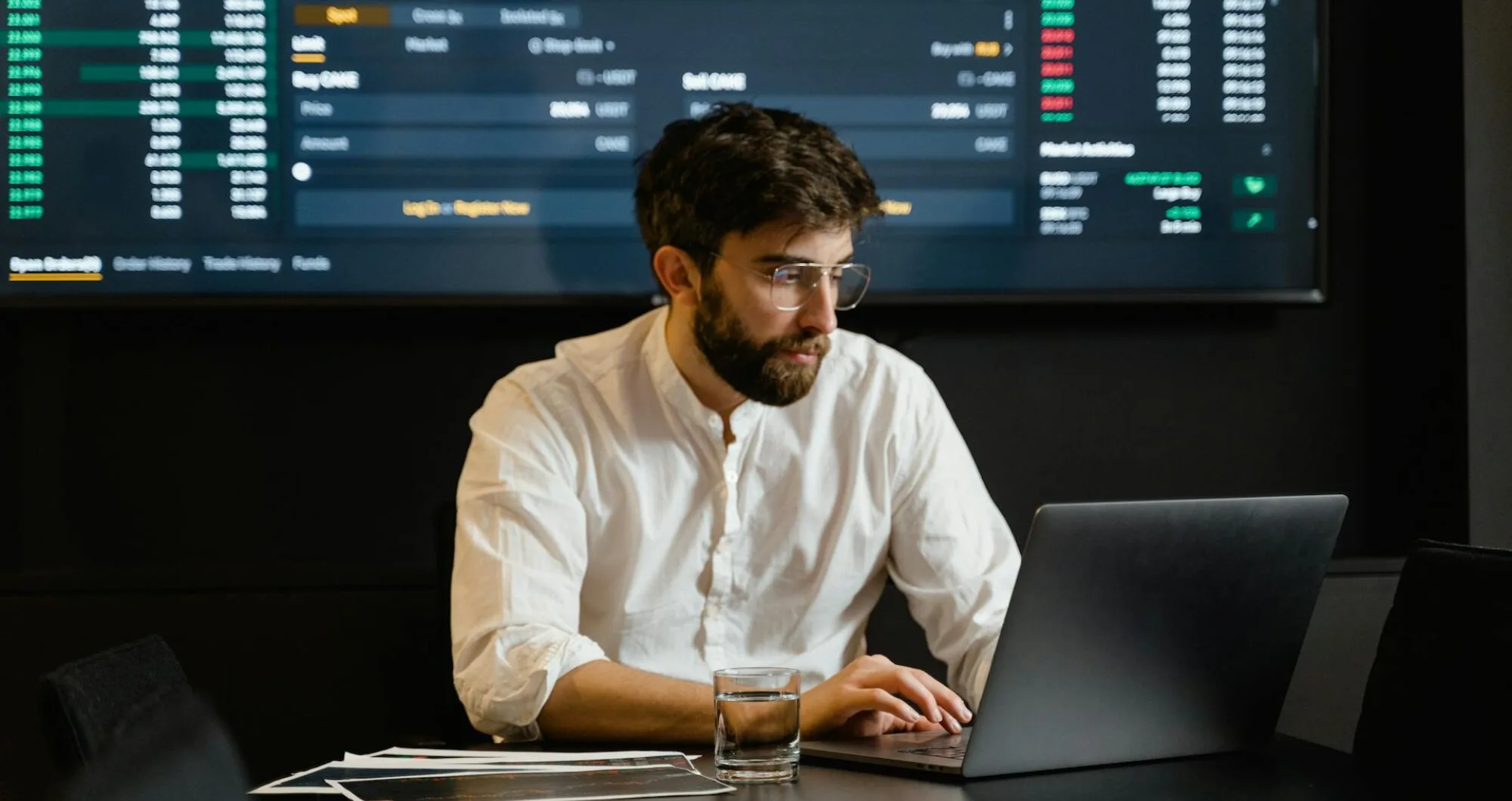
As financial markets continue to evolve at a breakneck pace, the role of future trading brokers has become increasingly pivotal in empowering traders and investors worldwide. The future of trading brokers lies not only in their ability to facilitate seamless access to markets but also in their adoption of cutting-edge technology, transparency, regulatory compliance, and client-centric services that redefine the trading experience.
In this comprehensive article, we delve into the trends, innovations, and key features that will define the future landscape of trading brokers and explore what traders should expect from their brokers moving forward.
What Are Future Trading Brokers?
Future trading brokers are the next-generation brokerage firms and platforms that will leverage technological advancements, innovative tools, and enhanced customer service to deliver superior trading experiences. These brokers are expected to go beyond traditional roles, incorporating features such as artificial intelligence (AI), blockchain, advanced analytics, and automation to provide smarter, faster, and more secure trading.
Key Characteristics Defining Future Trading Brokers
1. Advanced Technology Integration
The brokers of the future will harness AI-driven algorithms for personalized trading recommendations, automated portfolio management, and predictive analytics. This technological edge will enable traders to make more informed decisions with real-time data insights.
- Machine Learning & AI: Brokers will use AI to detect market trends, optimize trade execution, and even predict price movements.
- Blockchain Technology: Enhanced security, transparency, and reduced settlement times through decentralized ledgers will become standard.
- Cloud-Based Platforms: Access to scalable, fast, and reliable trading infrastructure across multiple devices.
2. Seamless Multi-Asset Trading
Future brokers will offer unified access to multiple asset classes—including stocks, futures, forex, cryptocurrencies, options, and commodities—within a single platform. This eliminates the need for multiple accounts and streamlines portfolio management.
3. Enhanced User Experience
User-centric design will dominate, with intuitive interfaces, customizable dashboards, and real-time notifications. Brokers will offer interactive tutorials, AI chatbots, and 24/7 customer support to cater to all trader segments, from beginners to professionals.
4. Regulatory Compliance and Transparency
With increasing scrutiny from regulators worldwide, future trading brokers will prioritize full compliance and transparency. They will adopt tools that ensure clients are well-informed about fees, risks, and trade executions, building trust and safeguarding investor interests.
5. Social and Copy Trading Integration
Social trading features will become deeply embedded, allowing traders to follow, interact with, and copy strategies from expert traders globally. This community-driven approach democratizes trading knowledge and fosters collaboration.
Technological Innovations Shaping Future Trading Brokers
Artificial Intelligence and Big Data Analytics
AI will transform brokers into smart decision-support systems. Big data analytics will analyze vast market information, news sentiment, and trader behavior to provide predictive insights. For example, AI can flag unusual market activity or suggest optimal entry and exit points for trades.
Blockchain and Decentralized Finance (DeFi)
Blockchain technology will revolutionize transaction security, transparency, and speed. Future brokers will likely use smart contracts to automate settlements and reduce counterparty risk, while DeFi integration will open new avenues for decentralized trading.
API Trading and Algorithmic Strategies
API (Application Programming Interface) trading will become more accessible, allowing traders and developers to build custom trading bots and automated strategies with greater ease. Brokers will offer robust API suites designed for low latency and high reliability.
Augmented Reality (AR) and Virtual Reality (VR)
Cutting-edge AR and VR technologies could redefine how traders visualize market data and execute trades, offering immersive experiences for analyzing complex financial information and simulating market scenarios.
The Importance of Education and Support in Future Trading Brokers
Education will be a core pillar for future brokers, with platforms integrating interactive learning modules, webinars, and personalized coaching. Real-time support powered by AI chatbots will ensure that traders receive immediate assistance, while community forums foster peer learning.
Sustainability and Ethical Trading
As ESG (Environmental, Social, and Governance) investing grows in importance, future brokers will offer tools to track the sustainability profile of traded assets. Brokers will emphasize ethical trading practices and provide transparent reporting on environmental and social impacts.
How Traders Can Prepare for the Future Broker Ecosystem
- Stay Tech-Savvy: Embrace new tools and technologies as they become available.
- Focus on Continuous Learning: Engage with educational content and leverage demo accounts.
- Prioritize Security: Choose brokers with robust cybersecurity measures.
- Adopt Multi-Asset Strategies: Diversify trading across various markets.
- Leverage Social Trading: Follow and learn from experienced traders.
Conclusion
The future of trading brokers is being shaped by innovation, technology, and a growing emphasis on transparency, education, and user experience. Traders can expect smarter, faster, and more personalized brokerage services that empower them to navigate increasingly complex markets with confidence.
Choosing a future-ready trading broker means partnering with a firm that not only facilitates trades but also acts as a trusted advisor, leveraging technology to provide a competitive edge.